
fastRO® Mega Containerized Seawater RO Desalination Plants
QT:May 14, 2024
fastRO® MEGA
Containerized Seawater RO Desalination Plants
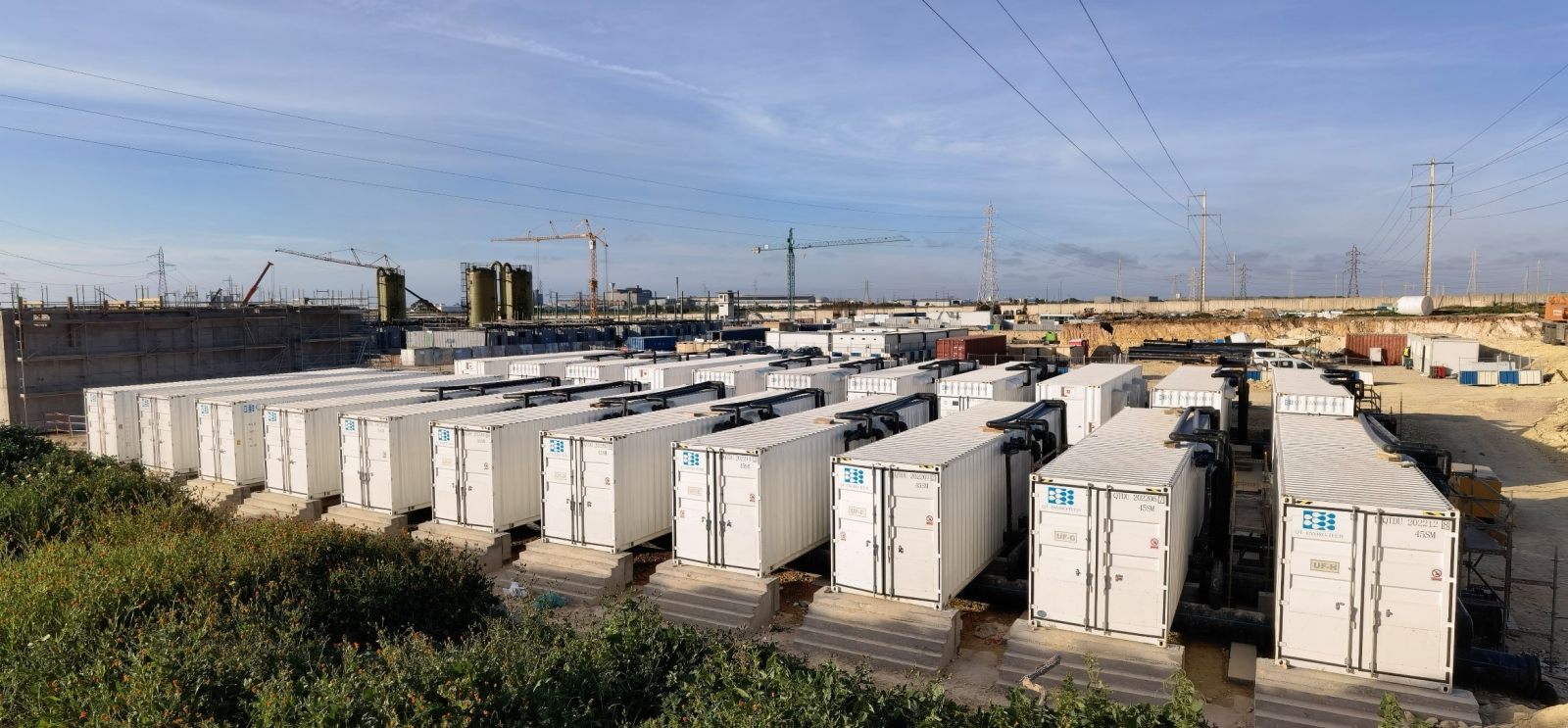
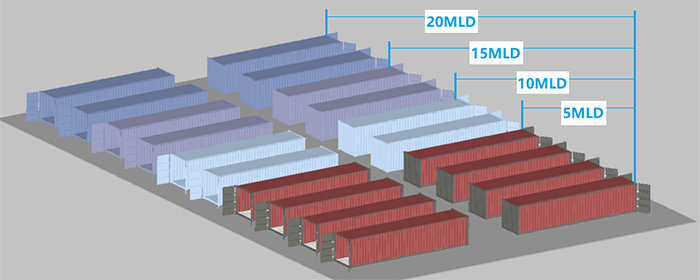
The fastRO Mega containerized seawater reverse osmosis system is a fast-build mobile RO desalination plant. Main equipment parts are installed in separate containers, with a freshwater production capacity of 5,000 to 20,000 m³/day (5–20 MLD).
Municipal Industrial
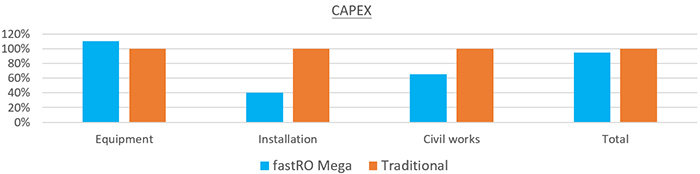
Savings are compared with traditional systems. Containerized design saves civil works and building time.
Product range
Mega series capacity
Plug & Play modular design: add 4 containers for another 5,000 m³/day of production.
Benefits
Why fastRO Mega
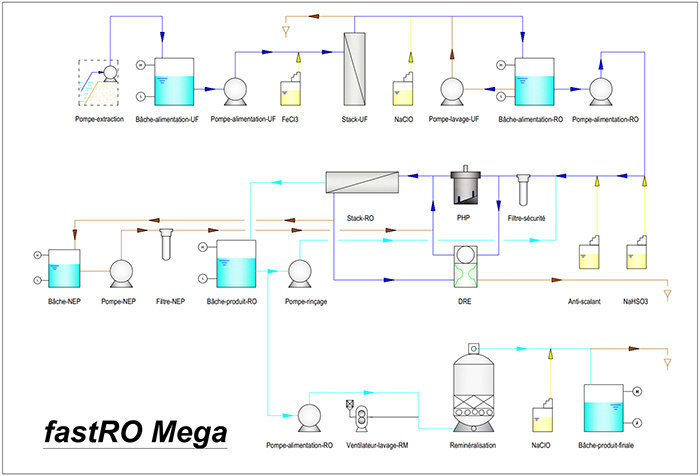
Desalination process
Based on UF and RO technology
Technical specifications
Technical data by model
Rated recovery rate is 42% for all models; rated product flow equals 58.3 / 116.7 / 175.0 / 233.3 L/s.
1) The rated product flow and rated recovery rate are based on the design feed of 35,000 ppm and 20°C standard seawater. Contact us for higher product flow and higher recovery rate.
2) The power consumption is based on the design feed of 35,000 ppm and 20°C standard seawater, but does not include the consumption by the intake pump and product distribution pump.
Water standards
Feed water and product water
3) If feed water salinity is higher, the recovery rate might be lowered and a 2nd pass RO might be needed. Contact us for more details.
4) If feed water turbidity or oil and grease is higher than the above specifications, QT will provide extra pretreatment. Contact us for more details.
5) If the source water is natural seawater, the produced drinking water shall meet the WHO Guidelines for Drinking-water Quality, 4th edition, 2012.
4) If feed water turbidity or oil and grease is higher than the above specifications, QT will provide extra pretreatment. Contact us for more details.
5) If the source water is natural seawater, the produced drinking water shall meet the WHO Guidelines for Drinking-water Quality, 4th edition, 2012.
Planning a large-scale desalination project?
Preview:No more content
Next:Already the first